
When Pep Guardiola was announced as Manchester City's next manager, several of his critics were sceptical if he would be able to carry his success to England. What followed was a perfect case of letting your actions do all the talking.
Pep's City side have dominated the English Football landscape like no other club in the past decade. The Spaniard has led City to an astounding 14 title wins in his 7 years at the club. Their biggest achievement came in the previous season, as Pep led City to a historic treble that saw them conquer the whole of Europe.
This article will be paying tribute to yet another City manager. He may not have won it all and dominated English football like Pep, but yet remains an influential part of City's history.
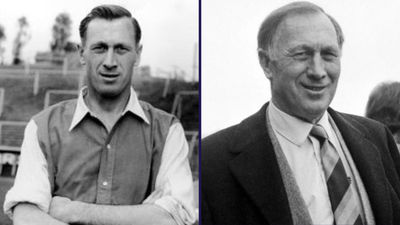
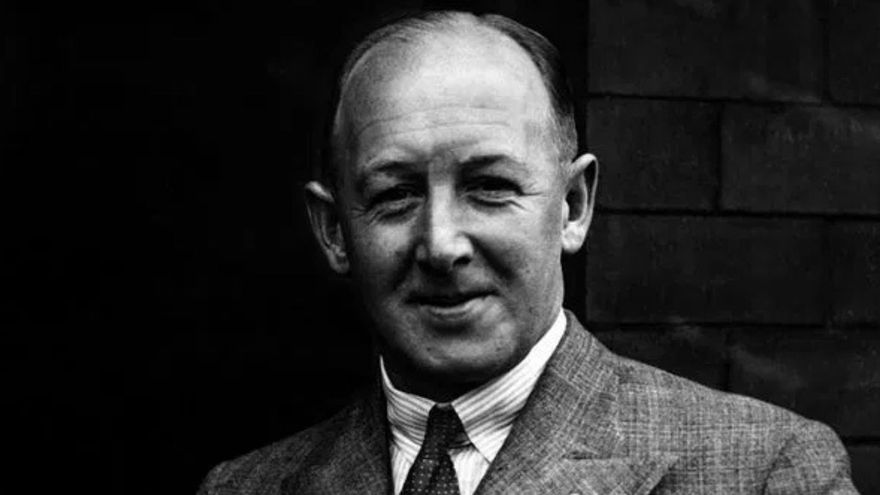
Let us take a look at Wilf Wild's time as Manchester city manager.
Early role at City
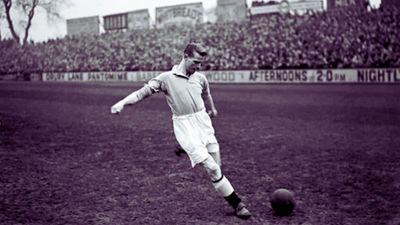
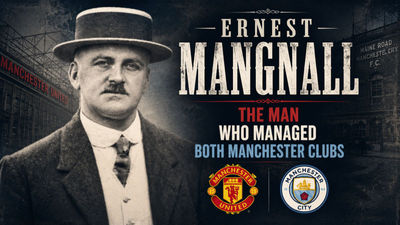
Wilf Wild initially joined Manchester City as assistant to Ernest Mangnall in 1920. He was mainly involved in looking after the administrative duties of the City. His position was officially known as "secretary-manager", who was responsible for both on-field and off-field matters.
The departure of Mangnall in 1924 saw this role separated into two parts. David Ashworth was appointed as manager, who took over the team selection and coaching aspects. Wild on the other hand became Club Secretary, with his position focusing on administration.
The departure of then City manager Peter Hodge to Leicester City in 1932 saw Wild take over as City's new manager. Thus he took on a dual role that focused on both team management and secretarial duties.
A bright start
Wild's first season as City manager saw him lead his team to the 1933 FA Cup final, although they ended up losing the Cup decider 3-0 to Everton. The following season saw City yet again reach the finals, achieving redemption in this instance as they beat Portsmouth 2-1 to become Champions.
City's 1933–34 season was also notable for Wild handing a debut to Frank Swift, who became the club's first-choice goalkeeper for the next 16 years. The FA Cup success was accompanied by a fifth place League finish, and the two subsequent seasons also resulted in top half finishes.
Champions of England
The solid momentum from previous campaigns was not built upon in the 1936-37 season initially, as City only managed to win 2 of their first 10 matches. Their form however, drastically improved by Christmas. Wild's City side went on to have a magnificent unbeaten run in the season's second half. The golden run saw them last undefeated for 22 games between 26 December and the end of the season.
Victories against an extremely strong Arsenal side and a fortnight later against Sheffield Wednesday sealed the league for City. The Citizens lifted their first ever English League title.
Downfall and consequences of war
Wild's City side embarked on a thrilling attacking style of football in 1937–38, which marked a shift from their previous style of play. The result of this was City scoring more goals than any other club in the division.
However, the shocking fact was that City ended that season in relegation. It was the first and only time in history that the reigning English Champions became relegated.
City still stood with Wild, and he managed them to a fifth place finish in the Second Division. The outbreak of World War II saw the suspension of league football, thus robbing Wild his precious years in football management.
By the time competitive football resumed in 1946, Wild decided to step down as manager. Sam Cowan was appointed as the new manager on December 2nd, while Wild went back to his role as club secretary. His fourteen years in charge make him the longest serving manager in the club's history. Wild remained club secretary until his death in 1950.
Also Read |