
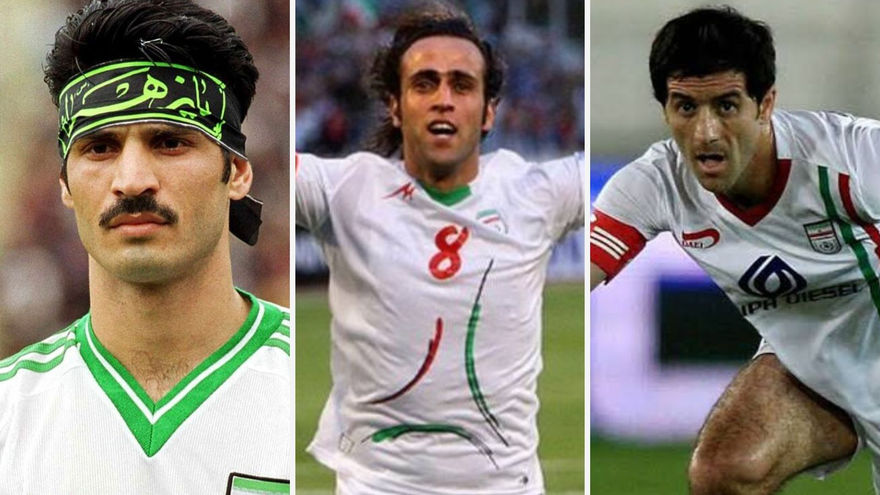
Few footballing cultures match Iran’s intensity, history, and emotional weight. Team Melli has long been an Asian powerhouse — built on defensive grit, physical resilience, and flashes of individual genius. From the 1970s golden era to the late‑1990s renaissance that sent players to Europe, Iran has regularly produced figures who matter both domestically and internationally.
But asking who is Iran’s greatest ever player forces hard tradeoffs. Do we value cold numbers and records, the mercurial spark of genius, or the modern professional who established a sustained presence in Europe’s top leagues?
To avoid nostalgia and recency bias, this list evaluates players relative to their eras across six weighted criteria: Peak Ability (30%), Career Achievements (25%), International Impact (15%), Longevity (10%), Individual Awards (10%), and Influence on Football (10%).
Greatest Iranian Footballers Ranked
10. Alireza Beiranvand — Goalkeeper (2011–Present)
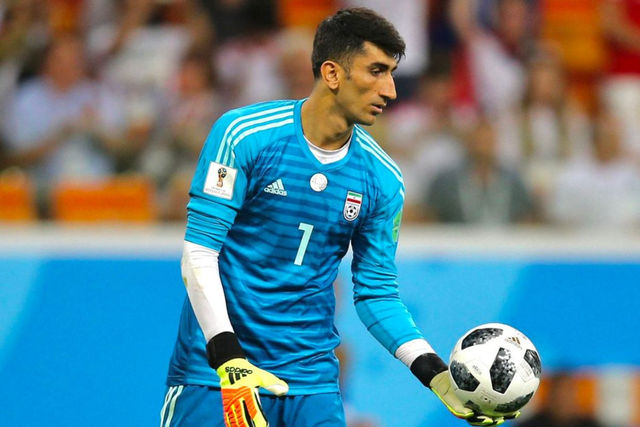
Beiranvand’s life story matches his on‑field presence: a towering, athletic goalkeeper who rose from poverty to become Iran’s modern No.1. He turned heads with a Guinness World Record‑long throw and anchored Persepolis’ domestic dominance, while producing memorable World Cup moments — most famously saving Cristiano Ronaldo’s penalty in 2018. His distribution and shot‑stopping redefined expectations for Iranian keepers and inspired the next generation.
Key facts: multiple Persian Gulf Pro League titles, regular in 2018 and 2022 World Cups, multiple domestic Goalkeeper of the Year awards.
9. Javad Nekounam — Defensive Midfielder (1998–2016)
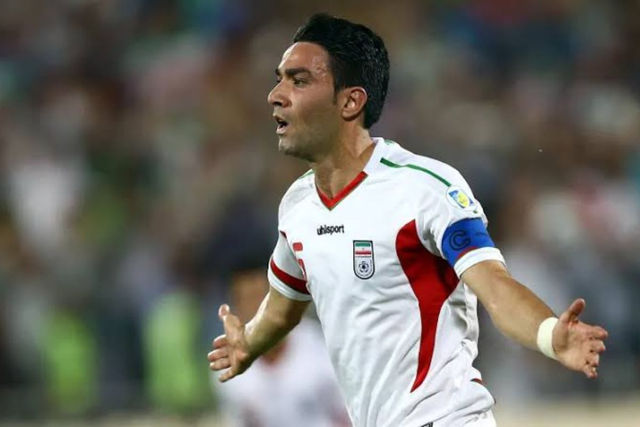
Nekounam combined tactical intelligence, leadership, and relentless professionalism. A domestic standout with Pas and Esteghlal, he made a significant mark in Europe with six seasons at Osasuna, captaining the La Liga side and proving an Asian midfielder could anchor a European midfield. He remains Team Melli’s most capped player with 149 appearances.
Key facts: Iran Pro League titles, 149 caps, long European spell at Osasuna, IRIFF Footballer of the Year.
8. Parviz Qhelichkhani — Midfielder / Defender (1962–1980)
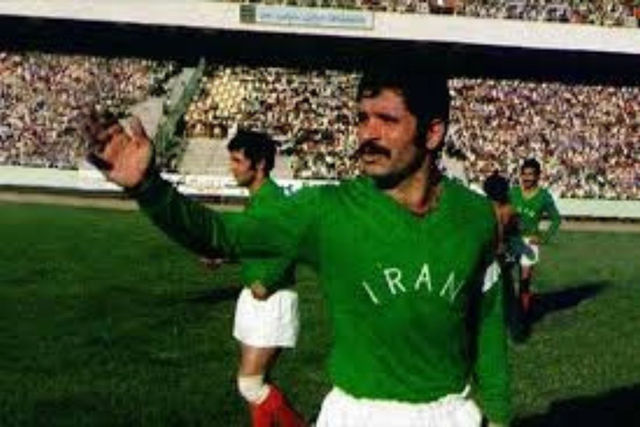
A central figure in Iran’s early dominance, Qhelichkhani brought versatility, power, and leadership across the late 1960s and 1970s. He captained Team Melli through three AFC Asian Cup wins and was a regular in Olympic squads, embodying the era when Iran first established continental hegemony.
Key facts: three AFC Asian Cups (1968, 1972, 1976), multiple domestic titles, Olympic appearances.
7. Nasser Hejazi — Goalkeeper (1968–1986)
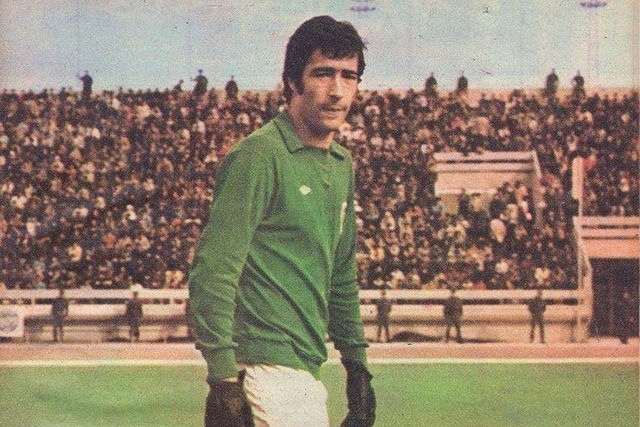
Hejazi is widely regarded as Iran’s greatest goalkeeper. Elegant, commanding, and fearless, he keynoted Iran’s 1970s success and played at the 1978 World Cup. A near‑transfer to Manchester United in 1979 speaks to his stature, curtailed only by geopolitical obstacles. Off the pitch he became a national icon.
Key facts: AFC Asian Cups, Takht Jamshid Cup titles, 1978 World Cup, ranked among the best Asian keepers of the 20th century by IFFHS.
6. Sardar Azmoun — Striker (2011–Present)
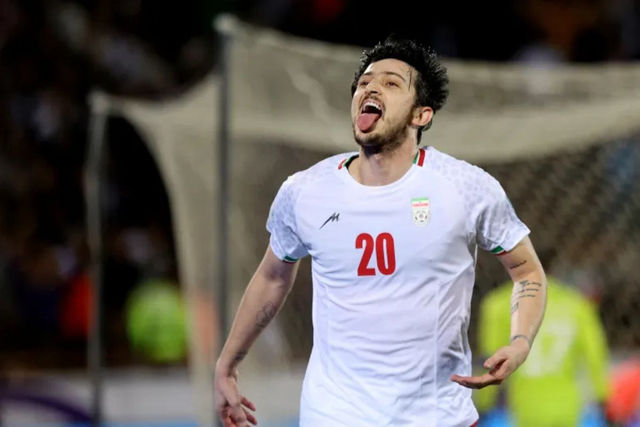
Azmoun’s career has charted a modern pathway: early move abroad, steady European development, and prolific scoring. Thriving in Russia — especially with Zenit — he became one of the Russian Premier League’s most feared forwards and later moved to top European clubs, while remaining a key goalscorer for Iran.
Key facts: multiple Russian league titles, RPL top scorer honors, essential World Cup squad member, 57 international goals.
5. Mehdi Mahdavikia — Right Wing / Wing‑Back (1995–2013)
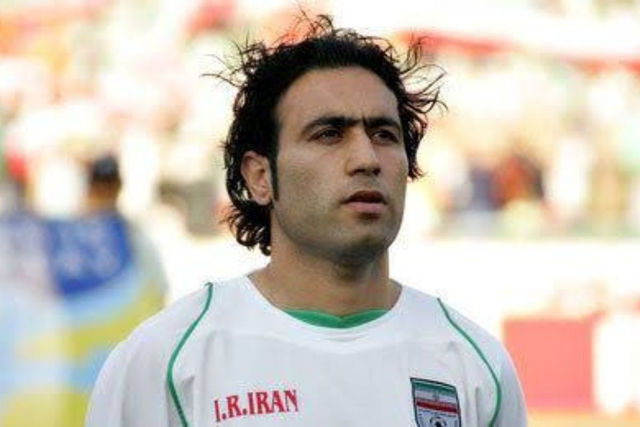
Mahdavikia combined pace, precision crossing, and industry. After a standout 1998 World Cup and a memorable goal versus the USA, he exported his talent to the Bundesliga with Hamburger SV, where he became an influential attacking outlet in Europe. He won Asian Footballer of the Year in 2003 and remains a model professional for Iranian exports.
Key facts: Asian Footballer of the Year (2003), long Bundesliga career, major role for national team across multiple tournaments.
4. Mehdi Taremi — Striker (2010–Present)
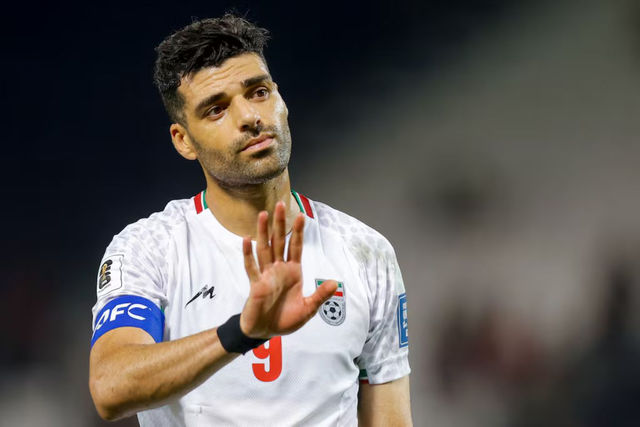
A late bloomer who matured into a complete forward, Taremi remade himself in Europe after success at Persepolis and Rio Ave. At FC Porto he combined finishing, movement, and creativity, producing Champions League moments — including a Goal of the Season contender — before earning a move to Inter Milan. His evolution underscores modern tactical intelligence married to clinical output.
Key facts: over 90 goals for Porto, Primeira Liga titles and domestic cups, UEFA Goal of the Season (2020–21), consistent Champions League performer.
3. Karim Bagheri — Central Midfielder (1992–2010)
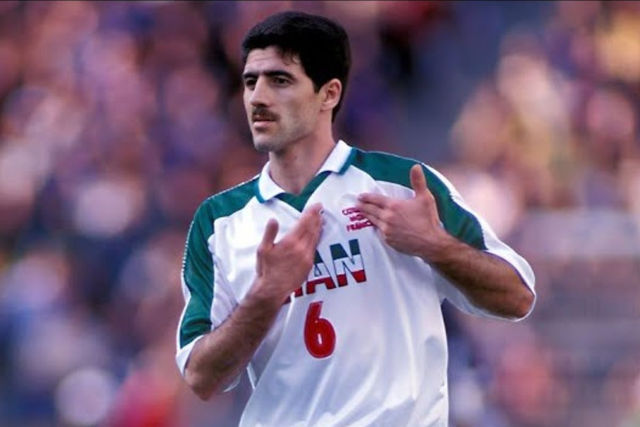
Bagheri was the archetypal box‑to‑box midfielder: physical, industrious, and with a devastating long shot. He played a pivotal role in the late‑1990s Iranian side that qualified for the 1998 World Cup and struck a remarkable scoring ratio from midfield — 50 goals in 87 caps — a rare output for his position.
Key facts: 87 caps, 50 international goals, Bundesliga experience, key player in Iran’s 1998 era.
2. Ali Karimi — Attacking Midfielder / Playmaker (1996–2014)
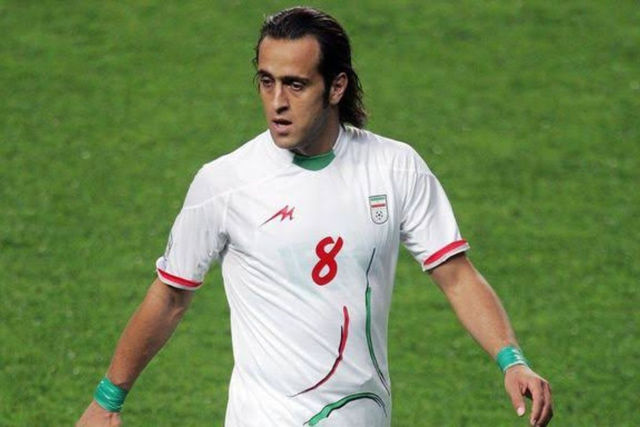
Ali Karimi was pure, unrestrained flair. Nicknamed “The Magician,” he combined dribbling, balance, and imagination at a level few in Asia have matched. His spell at Bayern Munich — where he won domestic silverware — validated his talent at Europe’s elite level, while his continental influence and aesthetic brilliance earned him the 2004 Asian Footballer of the Year.
Key facts: Asian Footballer of the Year (2004), Bundesliga titles with Bayern Munich, cultural and creative icon in Iran.
1. Ali Daei — Striker (1988–2007)
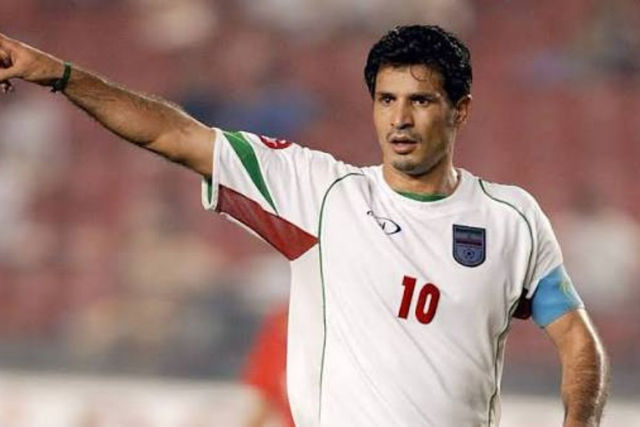
Ali Daei is Iran’s definitive footballing institution. A lethal finisher, aerial threat, and inspirational captain, Daei’s 108 goals in 148 international appearances made global headlines and stood as the world record for nearly two decades. He enjoyed spells in the Bundesliga, including Bayern Munich, and produced crucial goals on club and country stages. His combination of record‑breaking numbers, big‑game delivery, and trailblazing presence in Europe make him Iran’s undisputed greatest.
Key facts: 108 international goals, Bundesliga winner with Bayern, Asian Footballer of the Year (1999), monumental international legacy.
Honorable Mentions
Khodadad Azizi: 1996 Asian Footballer of the Year and a key figure in Iran’s 1998 World Cup qualification.
Andranik Eskandarian: Pioneer for Iranian defenders abroad with a strong career in the North American game.
Hassan Rowshan: Talented 1970s forward who scored across World Cup, Olympics, and Asian Games.
Homayoun Behzadi: A clinical striker from Iran’s early continental successes.
Ehsan Hajsafi: Versatile modern professional with 140+ caps across three World Cups.
Ranking Notes and the Biggest Debate
The most heated argument this list invites is Ali Karimi (No. 2) versus Mehdi Taremi (No. 4). Karimi’s argument rests on transcendent peak ability — a generational creative force whose tricks and solo moments could decide matches — and vast cultural influence. Taremi’s case is built on modern metrics: consistent high output for a major European club, Champions League pedigree, and tactical maturity.
We place Karimi ahead because peak artistry and cultural impact — the moments that redraw expectations and inspire generations — carry outsized weight. Taremi represents a different but equally important achievement: the proven, repeatable success of an Iranian elite forward in Europe’s current competitive landscape.
Comparing the Top Three
Ali Daei: Relentless striker and record‑holder; global ambassador for Iranian football.
Ali Karimi: Supreme creative genius; the benchmark for flair in Iran.
Karim Bagheri: The complete midfield engine; remarkable goal output from midfield.
Conclusion
Iran’s football story is one of resilience and recurring excellence. From the continental dominance of the 1960s–70s to the export of talent to Europe and the modern Champions League stage, Iranian players have repeatedly proven their class. While the debate over rankings will always have a subjective element, Ali Daei’s blend of historic numbers, continental and European achievements, and cultural significance place him at the summit of Iranian football.
FAQs
Who is the greatest Iranian footballer ever?
By achievements and international impact the list ranks Ali Daei as Iran’s greatest, thanks to his 108 international goals and European success.
Which Iranian player scored the most international goals?
Ali Daei scored 108 goals in 148 caps for Iran, the country’s all‑time leading scorer.
Who is the most successful Iranian player in Europe?
Several players had notable European careers, but Ali Daei (Bayern Munich, Hertha), Ali Karimi (Bayern Munich), Mehdi Taremi (Porto), and Mehdi Mahdavikia (Hamburger SV) stand out for sustained impact.
Which Iranian players played in the World Cup?
Key World Cup participants include Ali Daei (1998, 2006), Mehdi Mahdavikia (1998), Nasser Hejazi (1978), and Alireza Beiranvand (2018, 2022) among others.
Who are rising Iranian stars to watch in Europe?
Current names with significant European impact include Mehdi Taremi and Sardar Azmoun, both proven scorers at top‑flight clubs.
Also Read |