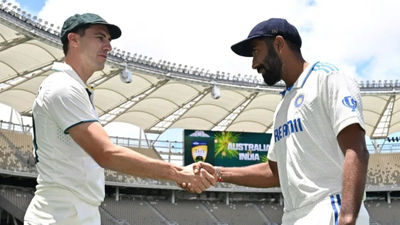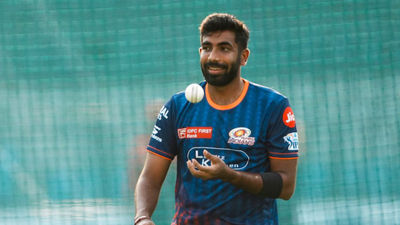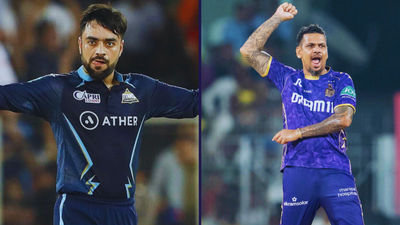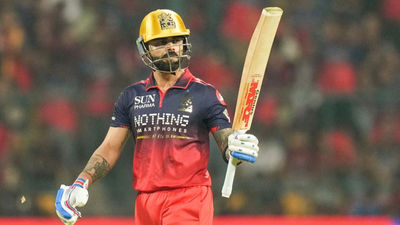

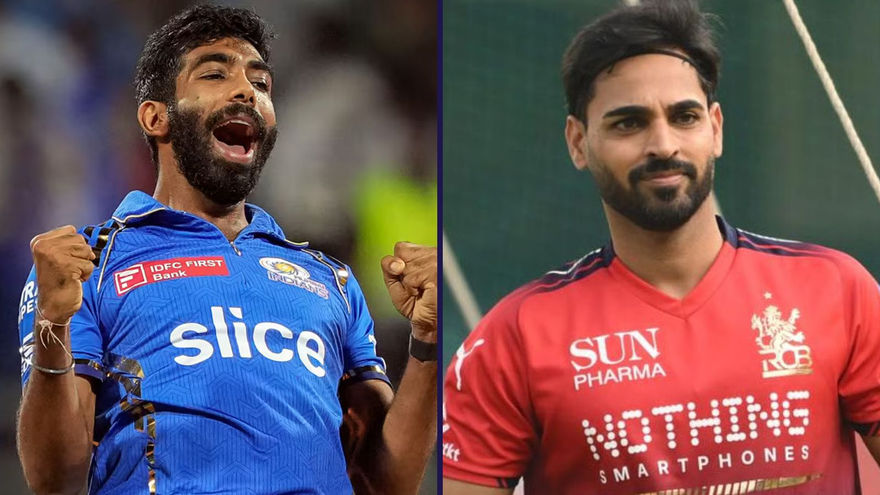
In the high-intensity world of the Indian Premier League, few pace-bowling rivalries generate as much discussion as Jasprit Bumrah vs Bhuvneshwar Kumar. As of the 2026 season, both remain pillars of Indian fast bowling—each excelling in different phases of the game.
One thrives on swing, control, and longevity. The other dominates with pace, precision, and match-winning impact. But who truly stands ahead in IPL history? Let’s break it down with stats, performance insights, and overall impact.
IPL Milestones & Career Stats (2026)
Both bowlers have cemented their legacy among the IPL’s all-time great pacers.
Bhuvneshwar Kumar became the first fast bowler to reach 200 IPL wickets, achieving the milestone while playing for Royal Challengers Bengaluru.
Jasprit Bumrah is close behind, having surpassed Dwayne Bravo to become one of the leading pace wicket-takers in IPL history.
Key IPL Stats Comparison
Stat (Updated till April 2026) | Jasprit Bumrah | Bhuvneshwar Kumar |
Matches | 151 | 196 |
Wickets | 184 | 208 |
Economy Rate | 7.28 | 7.71 |
Bowling Average | 22.88 | 26.98 |
Best Figures | 5/10 | 5/19 |
5-Wicket Hauls | 2 | 2 |
Insight: Bumrah leads in efficiency (average & economy), while Bhuvneshwar dominates in longevity and total wickets.
Bhuvneshwar Kumar: Powerplay Specialist & Swing King
Bhuvneshwar Kumar has built his IPL legacy on early breakthroughs and consistency with the new ball.
Key Strengths
Powerplay Dominance: Deadly swing in the first six overs
Purple Cap Winner: Back-to-back titles in 2016 and 2017
Dot Ball Record: Over 1,800 dot balls—the most in IPL history
Longevity: Nearly 200 matches highlight elite durability
After a long stint with Sunrisers Hyderabad, his move to RCB revitalized his career, even contributing to a title-winning campaign.
Jasprit Bumrah: Death Overs King & Match-Winner
Jasprit Bumrah is widely regarded as the most impactful T20 bowler of his generation.
Key Strengths
Death Overs Specialist: Elite yorkers under pressure
Superior Economy (7.28): Exceptional given his role
Strike Efficiency: Lower average means quicker wickets
Versatility: Effective in powerplay, middle overs, and death
A core figure for Mumbai Indians, Bumrah has been instrumental in multiple IPL title wins.
IPL 2026 Form Analysis
Bhuvneshwar Kumar (RCB)
Strong start to the season
~10 wickets in first 6 matches
Economy around 8.33 despite batting-friendly pitches
Jasprit Bumrah (MI)
Slight dip in form early in the season
Increased reliance on slower balls (~44%)
Bounced back with a controlled spell (1/15 vs Gujarat Titans)
Insight: Bhuvneshwar shows consistency, while Bumrah remains a high-impact game-changer even during lean phases.
Bumrah vs Bhuvneshwar: Who Is Better in the IPL?
The answer depends on team requirements:
Choose Bhuvneshwar Kumar if you need:
Early wickets in the powerplay
Swing bowling mastery
Long-term consistency
Choose Jasprit Bumrah if you need:
Death overs control under pressure
Lower economy and better strike rate
A proven match-winner in crunch moments
Final Verdict
The Indian Premier League has benefited immensely from both legends.
Bhuvneshwar Kumar represents classical swing bowling and sustained excellence.
Jasprit Bumrah defines modern T20 fast bowling with precision, adaptability, and impact.
Bottom line:
Bhuvneshwar wins on longevity and volume, while Bumrah edges ahead in efficiency and match-winning ability.
FAQ Section
Who has more IPL wickets: Bumrah or Bhuvneshwar?
Bhuvneshwar Kumar has more IPL wickets than Jasprit Bumrah as of 2026, becoming the first pacer to cross 200 wickets.
Who is better in death overs, Bumrah or Bhuvi?
Jasprit Bumrah is widely considered the better death-over bowler due to his yorkers, lower economy, and ability to defend low totals.
Why is Bhuvneshwar Kumar effective in powerplay?
Bhuvneshwar Kumar excels in the powerplay because of his ability to swing the new ball both ways and maintain tight lines.
Which bowler has the better IPL economy rate?
Jasprit Bumrah has a better economy rate than Bhuvneshwar Kumar, making him more efficient in T20 cricket.
Also Read |