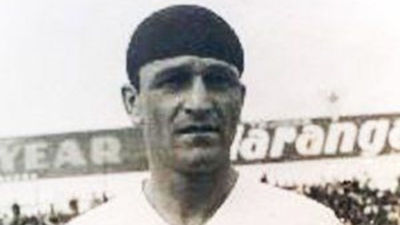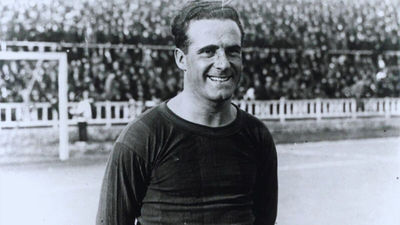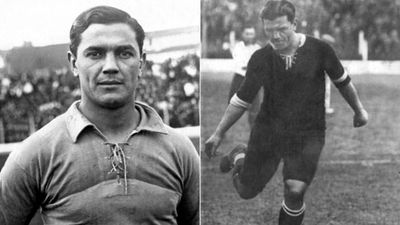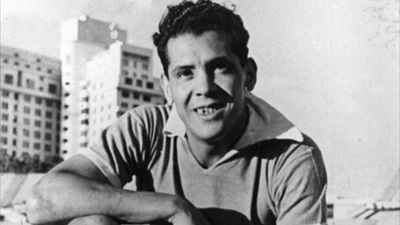

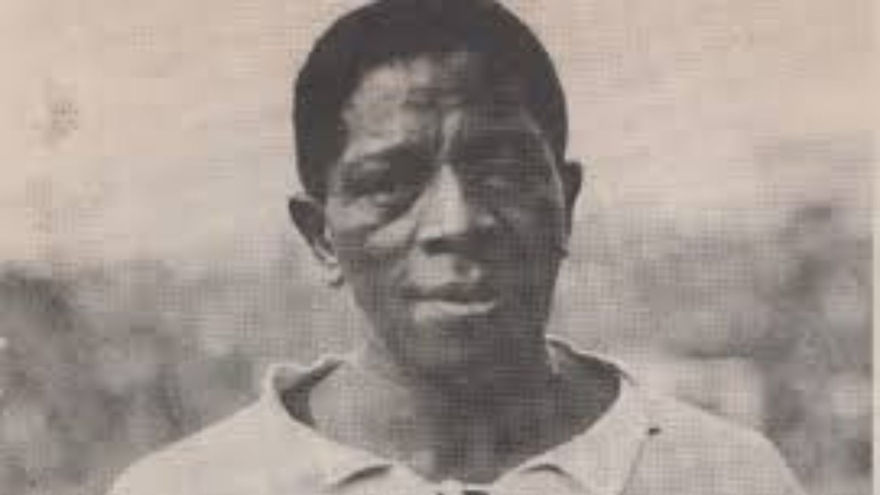
This article will take us back to more than a century, as we'll go through the career of one of the greatest players in Uruguay's early footballing history. That player is Isabelino Gradín, a legend of the beautiful game who overcame the obstacles of racism at the time and became a success story. Let us go back to the early years of South America Football, as we rewind his career in detail.
Club career summary
Isabelino Gradín joined Uruguayan club Peñarol in 1915, and went on to make an immediate impact at his new club. This caught the attention of the Uruguayan national side, who called him up during very first year at the club.
He was a part of the Uruguayan League championship in 1918 and in 1921, becoming a key player for Peñarol. Gradín played a total of 212 games for the Uruguayan club, and scored an impressive 101 goals. Things however, ended on a sour note with the player leaving Peñarol in 1921 following a dispute.
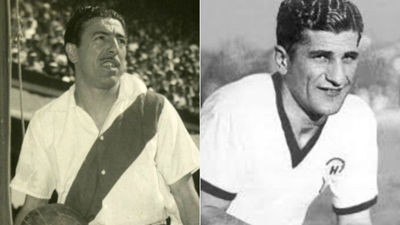
A year later in 1922, Gradín was involved in the founding of Uruguayan club Olimpia FC ( later known as Club Atlético River Plate). He played for Olympia until his retirement from football in 1929.
The legendary 1916 South American Championship performance
It was in July 1915 that an 18 year old Gradín made his international debut for Uruguay against Argentina in Montevideo. A year later, he went on to have the greatest moment of his football career.
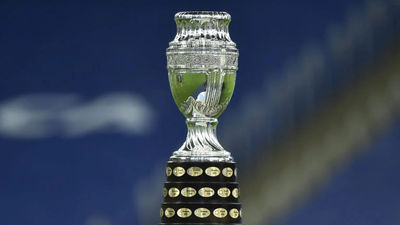
The year of 1916 saw the very first edition of the South American Championship ( now known as Copa América) commence. Uruguayan went on to make history in the end, as they clinched their first ever continental cup.
A 19 year old Gradín finished the tournament as top scorer with 3 goals, thus cementing himself in the football history books.
What makes this feat even more special is the fact that Gradín and his teammate Juan Delgado was subject to racial discrimination at the time. The Uruguayan's racial background became an issue with Chile , who complained before and after their match with Uruguay that the Uruguayans were unfairly selecting "Africans". Gradín overcame all the racial abuse inflicted on him, and came back stronger by scoring in Uruguay's victory over Brazil that sealed them the title.
Remaining South American Championship performances
The 1917 South American Championship was one to forget for Gradín, as the top scorer of the tournament's previous edition did not make it into the pitch for any of the matches.
Gradín was back in the Uruguayan side 2 years later though, as he took part in all of Uruguay's matches in the 1919 South American Championship. He ended the tournament with 2 goals.
The 1919 edition of the tournament is also notable for having the longest match in history, which took place between Uruguayan and Brazil in the playoff final. It ended in a 1-0 win for Brazil, with a staggering 150 (90+15+15+15+15) minutes being played.
Racial discrimination was prevalent in this tournament as well, with the Brazilian team reluctant to select black players in their side. This even led to Gradín being widely cheered by black Brazilian supporters.
Final years
After the 1919 championships concluded, Gradín did not make many appearances for the Uruguayan national side. The primary reason for this was his preference for the Federación Uruguaya de Football team over the mainstream Uruguayan Football Association.
This ultimately led to Gradín missing out on being selected for future tournaments with Uruguayan. The consequences were fatal for the player, as Uruguayan went on to win several South American Championships and an Olympic gold medal.
His final international match coincidentally came against Argentina in 1927, against whom he made his debut in the same month 12 years ago.
Gradín finished his Uruguay career with a total of 23 appearances, scoring 10 goals in the process. He eventually retired from the national team in 1927. The Uruguayan did receive an offer to play in the 1928 Olympic Games games, but he refused selection.
That was the end of Gradín's chapter with Uruguayan, as the era of one of Uruguay's earliest greats came to an end.