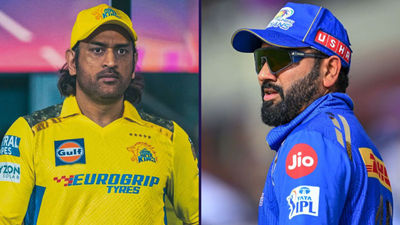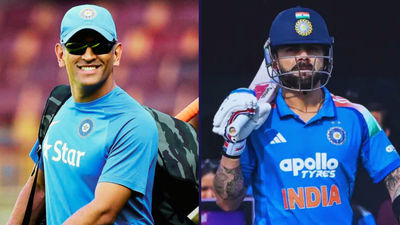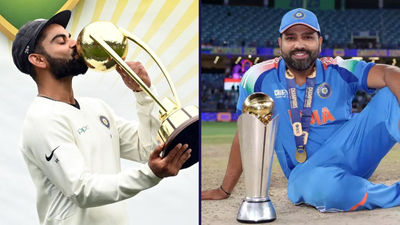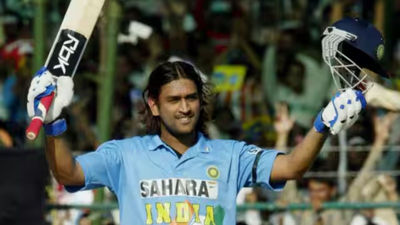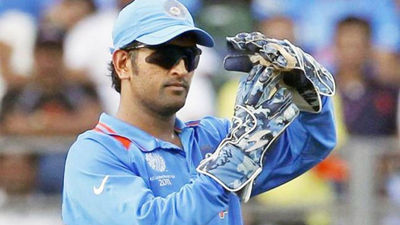

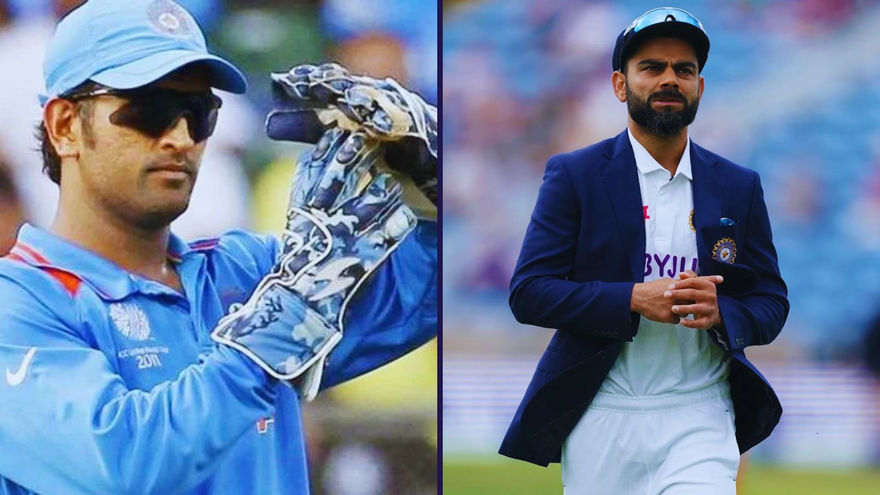
MS Dhoni and Virat Kohli shaped two defining eras of Indian cricket. Dhoni built his reputation as a calm, tactically astute captain who delivered major ICC trophies, while Kohli introduced an aggressive leadership style that emphasized fitness, fast bowling and winning Test matches overseas.
Their captaincy records reflect different strengths. Dhoni led India to three major ICC limited-overs titles, including the 2011 ODI World Cup. Kohli became India's most successful Test captain by victories, recording 40 wins in 68 matches. Together, their leadership influenced India's approach to pressure, player development and international competition.
Comparing MS Dhoni vs Virat Kohli is therefore about more than trophies or win percentages. Their contrasting philosophies reveal how Indian cricket evolved across formats and why both captains remain influential figures in the sport.
1. MS Dhoni vs Virat Kohli: Leadership Styles Compared
Dhoni and Kohli shared the goal of building a winning Indian team, but their methods differed. Dhoni relied on composure, tactical flexibility and trust in players, whereas Kohli demanded intensity, physical conditioning and an attacking mindset.
MS Dhoni: The Calm and Calculated Captain
Dhoni earned the nickname Captain Cool through his ability to remain composed in high-pressure situations. He often allowed matches to develop before making decisive tactical moves, trusting his reading of the game and his understanding of individual players.
His leadership was particularly effective in limited-overs cricket, where managing resources, controlling the middle overs and planning the final stages of a chase can determine the result.
Dhoni's key leadership characteristics included:
Composure under pressure: He maintained a measured approach during tense finishes.
Tactical flexibility: He adjusted bowling changes and field placements according to match situations.
Player confidence: He often backed players through difficult periods rather than judging them on a single performance.
Role clarity: He helped players understand their responsibilities within the team.
Dhoni's approach was built around patience and calculated decision-making. Rather than constantly forcing the game, he often waited for opportunities to shift the momentum.
Virat Kohli: The Aggressive Standard-Setter
Kohli brought a different energy to the captaincy. His leadership emphasized intensity, physical preparation and the expectation that India should compete aggressively in every condition.
This approach was particularly visible in Test cricket. Kohli wanted India to take 20 wickets consistently, making fast-bowling depth and fitness central to the team's plans.
His leadership priorities included:
Fitness and athleticism: He raised expectations around conditioning and fielding standards.
Attacking intent: He frequently pursued victories rather than settling for draws when conditions allowed.
Fast-bowling development: He backed a pace-oriented approach to competing overseas.
Personal accountability: His performances with the bat reinforced his demand for high standards.
Dhoni's measured approach suited many white-ball situations, while Kohli's intensity aligned with his ambition to make India a formidable Test side abroad.
2. MS Dhoni vs Virat Kohli Captaincy Records
The captaincy statistics highlight their different achievements across Tests, ODIs and T20 Internationals.
Captaincy Metric | MS Dhoni | Virat Kohli |
Test matches led | 60 | 68 |
Test wins | 27 | 40 |
Test win percentage | 45.00% | 58.82% |
ODI matches led | 200 | 95 |
ODI wins | 110 | 65 |
ODI win percentage | 55.00% | 68.42% |
T20I matches led | 72 | 50 |
T20I wins | 41 | 30 |
T20I win percentage | 56.94% | 60.00% |
Major senior men's ICC titles as captain | 3 | 0 |
Dhoni's ICC Trophy Record
Dhoni's most distinctive achievement was winning three major ICC limited-overs tournaments as India's captain:
2007 ICC World Twenty20: India won the inaugural T20 World Cup.
2011 ICC Cricket World Cup: India defeated Sri Lanka in the final at Mumbai's Wankhede Stadium.
2013 ICC Champions Trophy: India won the tournament in England.
This collection of titles established Dhoni's legacy as one of India's most successful white-ball captains. His tournament record remains central to any comparison of the two leaders.
Kohli's Test Captaincy Record
Kohli's strongest statistical advantage came in Test cricket. His 40 victories in 68 matches made him India's most successful Test captain by wins.
His tenure also saw India maintain the No. 1 position in the ICC Test rankings for five consecutive years. These achievements reflected a sustained emphasis on competitiveness, bowling depth and winning difficult matches.
Kohli did not win a senior men's ICC trophy as India's captain. However, he led India to the 2017 Champions Trophy final and the 2021 World Test Championship final, as well as the 2019 ODI World Cup semi-final.
3. White-Ball Cricket: Why Dhoni Excelled
Dhoni's captaincy was particularly influential in ODIs and T20Is. His understanding of run chases, bowling matchups and pressure situations helped India manage the different phases of limited-overs matches.
His approach often involved preserving wickets, identifying favorable scoring opportunities and accelerating at the right moment. He also placed considerable trust in players who could deliver under pressure.
Strengths of Dhoni's white-ball leadership:
A proven record in major ICC tournament victories.
Calm decision-making during close finishes.
Flexible tactics for controlling the middle overs.
Confidence in players who needed time to establish themselves.
4. Test Cricket: How Kohli Changed India's Approach
Kohli took over India's Test captaincy during the 2014–15 Australia tour and placed a clear emphasis on winning rather than merely surviving difficult conditions.
His five-bowler approach aimed to give India enough wicket-taking options throughout a match. A strong pace attack also made it easier to sustain pressure on opposition batters outside the subcontinent.
Kohli's tenure helped establish fast bowlers such as Jasprit Bumrah, Mohammed Shami and Ishant Sharma as central figures in India's overseas ambitions. Mohammed Siraj also became an important member of India's pace resources during this broader period of development.
Kohli's Test leadership had several notable strengths:
A greater emphasis on fast-bowling depth and sustained pressure.
High physical and fielding standards.
An attacking approach to setting fields and pursuing victories.
India's first Test series victory in Australia, achieved during the 2018–19 tour.
5. Team Culture: Trust Versus Intensity
A captain's influence extends beyond tactics. Selection decisions, training standards and the way players respond to mistakes can shape a team's long-term performance.
Dhoni's Emphasis on Trust
Dhoni often gave players extended opportunities to establish themselves. His support for Rohit Sharma's move to the top of India's ODI batting order in 2013 became a particularly significant example.
The change helped Rohit develop into one of the leading white-ball openers of his generation. It also demonstrated the potential value of identifying a player's best role and allowing time for that role to work.
The broader lesson is that consistent opportunities and clearly defined responsibilities can help players build confidence.
Kohli's Fitness-First Culture
Kohli placed fitness, agility and athletic fielding at the center of India's team culture. The use of the Yo-Yo endurance test as a selection benchmark became closely associated with this period.
His approach encouraged players to treat physical preparation as an essential part of international performance, particularly for fast bowlers expected to maintain demanding workloads.
For team leaders, the practical takeaway is straightforward: high standards are more effective when leaders demonstrate them consistently and connect them to clearly defined team goals.
6. The Dhoni-to-Kohli Transition
India's captaincy transition unfolded in stages rather than through a single handover.
2014: Dhoni relinquished Test captaincy during the Australia series, allowing Kohli to take charge.
2017: Dhoni stepped down as India's ODI and T20I captain, paving the way for Kohli to lead across formats.
2017 onward: Dhoni continued playing an important supporting role, contributing his wicketkeeping experience and tactical understanding.
Dhoni's presence offered Kohli a valuable source of experience on the field. His knowledge of opposition batters, field placements and decision-review situations could help inform tactical choices without replacing Kohli's authority as captain.
The transition also allowed India to retain continuity while developing a different leadership identity. Dhoni's experience and Kohli's approach were distinct, but they operated within the same broader objective of keeping India competitive internationally.
Frequently Asked Questions
Who was the more successful captain, MS Dhoni or Virat Kohli?
The answer depends on the format and criteria. Dhoni won three major ICC limited-overs titles, while Kohli recorded 40 Test victories, the most by an Indian Test captain. Trophy success and Test-match wins measure different aspects of leadership.
How many ICC trophies did Virat Kohli win as India's captain?
Kohli won no senior men's ICC tournament titles as India's captain. His teams reached the 2017 Champions Trophy final and the 2021 World Test Championship final.
Why was Kohli successful in overseas Test cricket?
Kohli emphasized taking 20 wickets, building a strong pace attack and improving physical standards. Those priorities helped India compete more effectively in challenging conditions, including Australia.
Also Read |