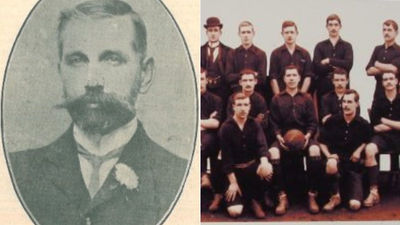

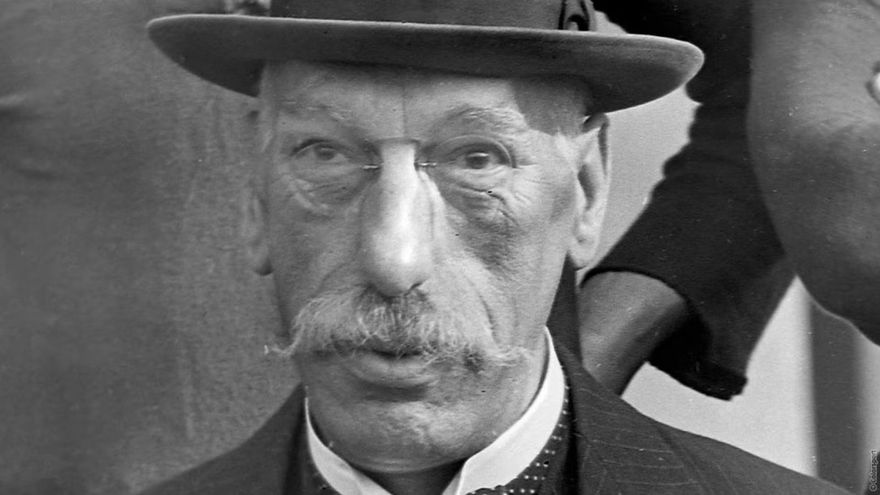
It was in 1910 that Henry Norris and fellow businessman William Hall each bought 240 shares (18.75%) of Woolwich Arsenal, who were facing immense financial difficulties at the time. This transaction was also done while both purchasers were still active board members of another football club, Fulham.
2 years later, Norris became Arsenal's chairman. With the club's poor financial performance and low attendance for games, Norris envisioned a London superclub and thus tried to merge both Arsenal and Fulham. However, those attempts were blocked by the Football League.
The creation of Highbury
Norris was still determined in changing the landscape of Arsenal and making it successful. He turned his attention to shifting Arsenal to a new stadium, and eventually succeeded in getting a site in Highbury, north London, on the site of the recreation ground of St John's College of Divinity. The English businessmen with priests helped him, as the archbishop personally signed the ground's title deed. Thus, the year of 1913 became a monumental one in football history, as The Arsenal Stadium was finally opened. The club dropped Woolwich from its name the following year, and it was this stadium that later came to be known as the legendary "Highbury".
His huge yet infamous contribution
The biggest and yet most infamous contribution of Norris for Arsenal was his role in the club's promotion from the Second Division to the First in 1919. Arsenal were surprisingly elected to the top flight in spite of only finishing sixth in the previous season ( the 1914–15 campaign which was severely affected by World War I).
The decision was seen with suspicion, as this promotion came at the expense of other clubs, most notably Arsenal's arch-rivals Tottenham Hotspur. Soon, rumours began to spread that Norris bribed or mischievously influenced the Football League voting members during the annual General meeting, in particular the league chairman and owner of Liverpool, John McKenna.
There were even rumblings that McKenna made a speech recommending Arsenal's promotion ahead of Spurs thanks to the former's longer spell in the League (Arsenal joined in 1893, Spurs in 1908), although Wolves (who had been members of the league since its inception in 1888) finished in 4th ahead of Arsenal. However, these are unconfirmed theories as no newspapers at the time reported on it.
Another significant contributions
It was in 1925 that Norris made a huge statement by firing Arsenal manager Leslie Knighton, and then bringing in Huddersfield Town's Herbert Chapman as his replacement. Norris soon departed Arsenal, and it was Chapman that took up the chairman's role.
The decision of Norris proved to be a masterstroke, as Chapman succeeded in turning Arsenal into a dominant side in English football in the 1930s. Despite the successful turn of events, Norris later claimed that Knighton's sacking was the only decision he ever regretted during his Arsenal tenure.
A tarnished legacy
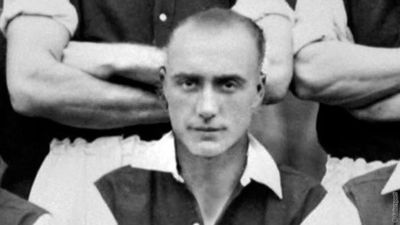
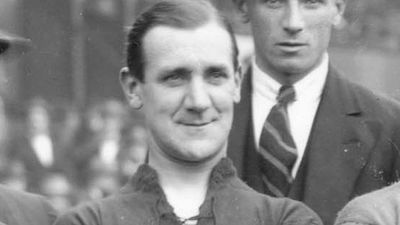
By the time Arsenal became a dominating force in English football, Norris was not in charge of the club. However, In 1927, former Arsenal director William Hall requested that the Football Association look into Arsenal's financial affairs. This led to an investigation by the Football Association, which shockingly discovered that Norris had made illegal payments to three players (Clem Voysey, Bert White and Jock Rutherford), had used Arsenal's expense accounts for personal use to pay for his chauffeur, and had pocketed the proceeds of £125 from the sale of the reserve team bus.
That was the beginning of the end for Norris, and also the ultimate damage to his legacy.
The results of the investigation saw Norris, Hall and two other Arsenal directors (Jack Humble and George Peachey ) banned from football for life. Although Norris sued the Daily Mail and the FA for defamation, the Lord Chief Justice, Lord Hewart, found the matter in favour of the FA.
Norris kept a low profile after his departure from football. He died due to a heart attack in 1934 at his Barnes, a week after his 69th birthday. He left the world with a polarizing legacy, one which will forever be debated.
Must Read | Best Arsenal Managers of all time