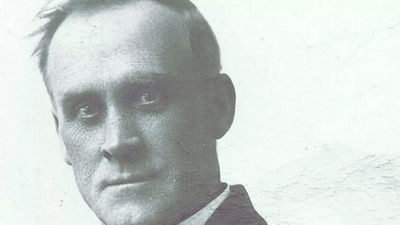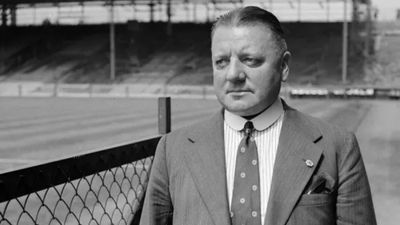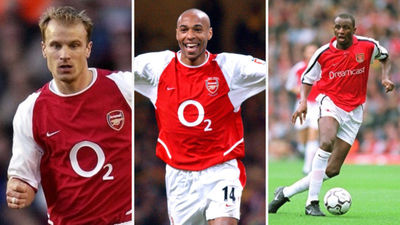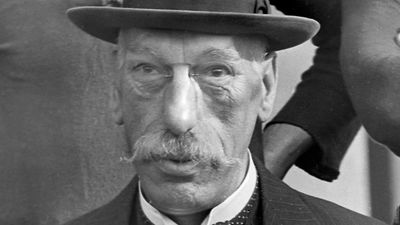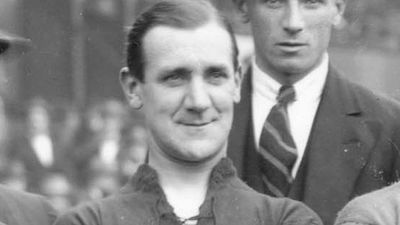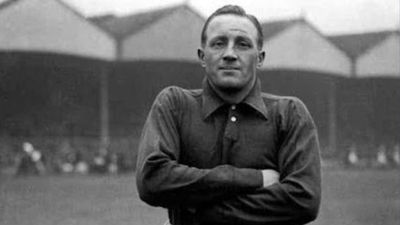

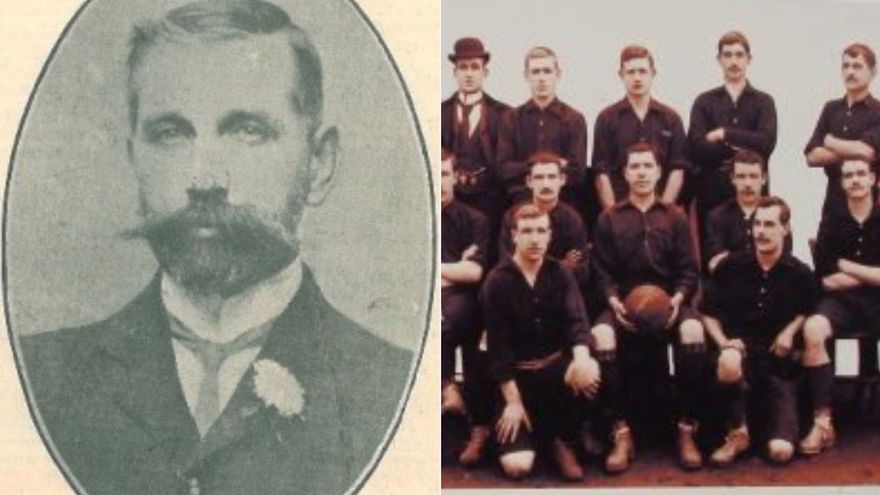
Jack Humble was born in Hartburn, County Durham, but he eventually shifted to London in 1880. He then proceeded to work at Royal Arsenal, which was an establishment that was used for the manufacture of armaments and ammunition, proofing, and explosives research for the British armed forces. An interesting fact is that Humble and his brother walked the 400-mile journey south from their home village to the capital, which even made headlines in the local newspapers back home.
Coming to his views, Humble was a committed left-wing man and a member of local socialist parties, he strongly believed in workers' rights and campaigned for shorter working hours and more time for leisure activities, which included football, which was a huge passion of his.
The creation of Arsenal
It was at Royal Arsenal that Humble met several other football fanatics such as David Danskin, Fred Beardsley and Morris Bates. It was with the help of these football lovers that Humble became one of the founding members of Dial Square Football Club in 1886, who were soon renamed Royal Arsenal, and would eventually become the club we know today as Arsenal. Royal Arsenal soon established themselves as one of the strongest amateur sides in Southern England. Interestingly, Humble even played for Royal Arsenal during the 1887-88 and 1888–89 campaigns as a full-back/half-back.
His biggest contribution for Arsenal
What makes Humble an all-time club legend is that he was the mastermind that helped turn Arsenal into a professional club. It was in 1891 that Derby County tried to recruit two of Royal Arsenal’s players after an FA Cup match between the clubs. This incident made Humble and Danskin realise that the club would be unable to survive if its players were being continually tempted away.
Thus, at the club’s 1891 annual general meeting, Humble proposed that the club needs to be turned professional. However, due to his socialist views, Humble was unwilling to turn the club into a limited liability company at the same time, declaring: “The club [has been] carried on by working men and it is my ambition to see it carried on by them.”
This was a time when the idea of amateurism was dominant in the London footballing world, and hence this saw everyone dismiss Woolwich Arsenal (as the club had been renamed during this time). The club were eventually expelled from the London Football Association.
As other sides boycotted the club, Arsenal were in a serious danger of bankruptcy at the time. However, Humble’s decision paid off as the club were invited to join the Football League. This historic feat also made Woolwich Arsenal the first southern club to become a League member.
Club director, financial scandal, and death
By the time Arsenal became a member of the Football League, Humble had become a full-time director of the club. It was a position that he reluctantly accepted after the club needed to become a commercial company in 1893. He would remain as director of the club for over thirty years, and it was during his tenure as director that they moved to Arsenal Stadium in Highbury, north London and became known simply as "Arsenal". Humble continued to work at Royal Arsenal as a gun inspector during the same time, and even spent World War I in Sheffield and then Norway.
He was the last original founding member to have a formal connection with Arsenal, and over time became the club's unofficial historian by virtue of being there longer than anyone else. The year of 1929 however, saw him be forced to resign from the Arsenal board. This was due to a financial scandal that even brought down then Arsenal chairman Sir Henry Norris.
Norris was accused of using the club's expenses account for his own use, and had personally profited from the sale of the team bus. Although Humble himself was entirely innocent of any charges, the Football Association ruled that as a director, he should have examined Norris's financial dealings more closely, and suspended him from football.
Despite those underwhelming events, Humble was still alive to witness Arsenal's historic FA Cup win of 1930, in what would've been one of the greatest ever life moments for one of Arsenal's founding members. He died a year later in December 1931, aged 69. That was the end of his chapter on earth, leaving behind a legacy that'll live on forever.