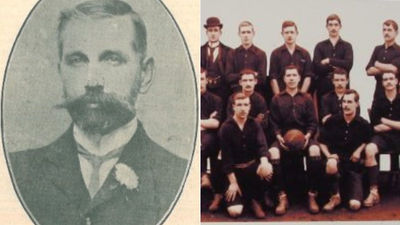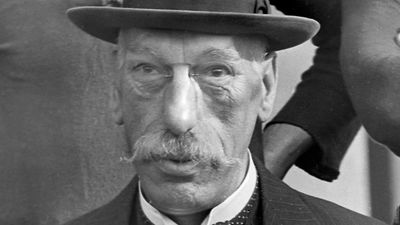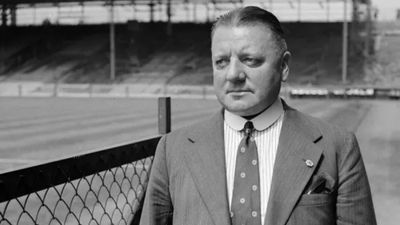

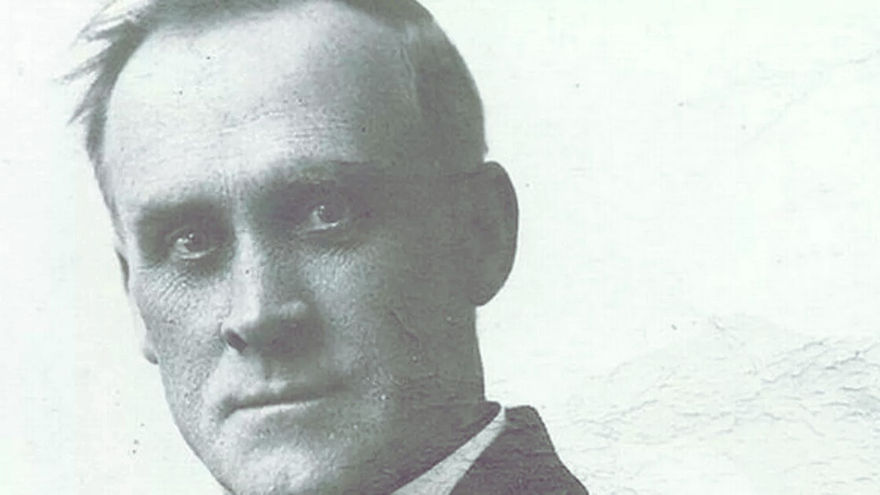
Born in Burntisland, Fife, Scotland, David Danskin grew up in the town of Kirkcaldy. His early years saw him play as an amateur Kirkcaldy Wanderers, which had certain players such as Jack McBean and Peter Connolly. As destiny would have it, both McBean and Connolly ended up joining Danskin at Royal Arsenal ( which was what the club was known as back then).
It was in 1885 that Danskin moved to London for finding work, and he eventually took a job at the Dial Square workshop. This workshop was situated at the Royal Arsenal in Woolwich, which was an establishment used for the manufacture of armaments and ammunition, proofing, and explosives research for the British armed forces.
Danskin met several passionate football lovers at the Royal Arsenal, amongst them Jack Humble and former Nottingham Forest players Fred Beardsley and Morris Bates. Along with Humble, Danskin is generally credited as the driving force behind the formation of a works football team, Dial Square FC, which later came to be the club we all know as Arsenal.
The playing years
Danskin had organised a whip-round ( collection of money by a group for a specific purpose) amongst his fellow players and purchased Dial Square's first ever football. He then made history by captaining the team in their very first match against Eastern Wanderers on 11th December 1886. The match ended on a historic note for Dial Square, as they thrashed their opponents 6-0. Danskin continued to play for the club, who were eventually renamed as Royal Arsenal for the next two years.
However, the Scotsman suffered a major injury during a match against Clapton in January 1889. Following this, Danskin elected to step down from the side and only played a few more rare occasions after that.
End of association with Arsenal
The year of 1891 saw Arsenal become a professional side. Danskin had stood for the club's committee election in 1892, but was unsuccessful in getting elected. Thus, he sadly ended his official association with Arsenal and later became associated with a new works team from the area called Royal Ordnance Factories. Danskin later worked as a referee in local matches, and was also still fond enough of Arsenal to attend their games. In fact, his son Billy used to sell programmes ( internal or external promotion of events at the specified entertainment, sporting or amusement venue) at Arsenal's Manor Ground as a child.
Life after Arsenal
In the years that went by, Danskin started up his own bicycle manufacturing business in Plumstead, before moving to Coventry in 1907 to work for the Standard Motor Company. However, his later period in life saw him affected by ill-health, caused by injuries to his legs in his footballing days. This sadly led to his early retirement.
Despite this sad event, he was one of the few founding members of Arsenal to live to see the club's rise to success in the 1930s. Danskin reportedly cheered the side's 1936 FA Cup win from his sickbed, while listening to the radio commentary. Years of ill-health took a huge toll on him though and he died at a hospice in Warwick in 1948. He was 85 Years old at the time of his death, and was buried at London Road Cemetery in Coventry.
Influence
The legacy of David Danskin is bound to live on forever within Arsenal, with club support groups occasionally celebrating his life and paying tribute for their favorite club's principal founding member. Danskin will live on eternally, as long as Arsenal is around.