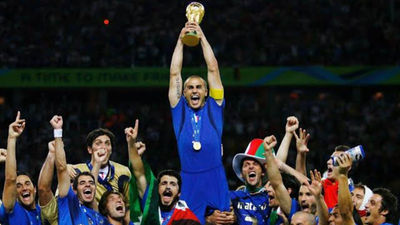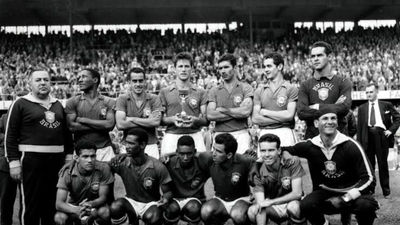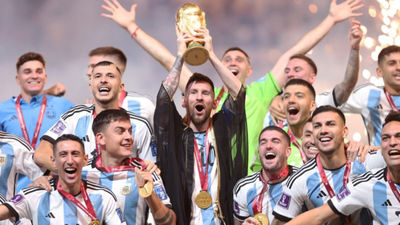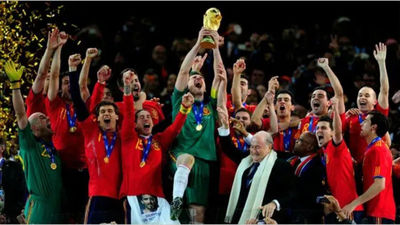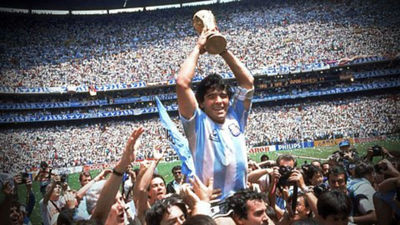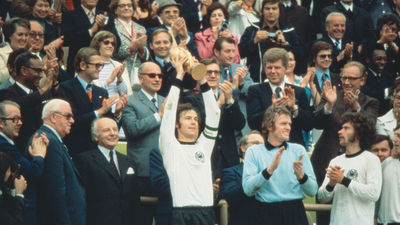

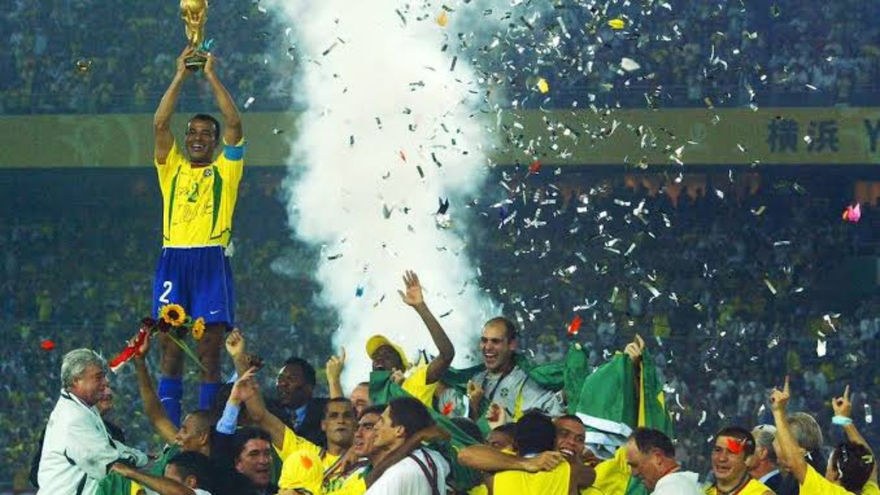
The 2002 FIFA World Cup — co-hosted by South Korea and Japan — arrived as a statement of globalization: the first finals held in Asia and the first staged across two nations. What followed was an anarchic, emotionally charged tournament that upended expectations, elevated underdogs, produced controversial refereeing moments and yet ended with one of the most classical of outcomes: Brazil, led by a reborn Ronaldo, lifting a fifth star.
Context and stakes
Brazil reached the Far East under a cloud of domestic turmoil and managerial turnover, but with a squad that still brimmed with individual brilliance: Ronaldo, Rivaldo and Ronaldinho formed a truly dangerous front line. Germany, under Rudi Völler, relied on Oliver Kahn’s extraordinary goalkeeping to power a clinical run to the final. Pre-tournament favourites like France and Argentina collapsed early; South Korea and Turkey emerged as surprising deep runners; the United States and Senegal produced signature moments. The tournament’s narrative was equal parts sporting unpredictability and human drama — and at its heart was Ronaldo’s personal redemption story.
Tournament snapshot
Hosts: South Korea & Japan
Teams: 32
Format: Group stage (8 groups of 4) then knockout rounds
Champion: Brazil (5th title)
Runner-up: Germany
Third place: Turkey
Golden Ball: Oliver Kahn (Germany)
Golden Boot: Ronaldo (Brazil — 8 goals)
Golden Glove: Oliver Kahn (Germany)
Best Young Player: Landon Donovan (USA)
Group stage — the great shocks
The opening fixtures set the tone. Senegal stunned reigning champions France 1–0 in the tournament opener in Seoul, announcing African football’s arrival on the biggest stage and immediately destabilising the established order. France’s title defence unraveled; Les Bleus failed to score and exited at the group stage.
Group F — often tagged the “Group of Death” — produced a seismic upset: Argentina, managed by Marcelo Bielsa and widely touted as a tournament frontrunner, failed to progress after draws with England and Sweden. England edged Argentina courtesy of a David Beckham penalty; Argentina’s group-stage exit was emblematic of the tournament’s theme: form and reputation often counted for less than organisation and momentum.
Meanwhile Brazil attacked with intent, scoring 11 goals in the group phase as the “Three Rs” (Ronaldo, Rivaldo, Ronaldinho) began to click. Co-hosts South Korea and Turkey were early breakout stories; Korea, backed by fervent home support, looked dangerous under Guus Hiddink.
Knockout stage — controversy and courage
Round of 16
Controversy haunted the knockouts. Italy’s exit at the hands of South Korea (2–1 after extra time) was marred by contentious refereeing decisions from Byron Moreno, including a harsh yellow to Francesco Totti and a disallowed Tommasi goal. Ahn Jung-hwan’s golden goal in the 117th minute became a national icon in Korea.
Brazil survived a testing tie with Belgium, where a disallowed Belgian goal and clinical finishes from Rivaldo and Ronaldo sent Scolari’s side through. Senegal’s dream continued with a golden-goal win over Sweden; England dispatched Denmark to progress.
Quarter-finals
Brazil’s quarter-final against England in Shizuoka produced one of the tournament’s most iconic sequences. Michael Owen’s early goal was cancelled out by Rivaldo, before Ronaldinho — spotting keeper David Seaman off his line — lofted a 40-yard free-kick into the net. Despite later being sent off, Ronaldinho’s audacious strike and Brazil’s defensive reorganisation under pressure ensured a 2–1 victory with ten men.
South Korea progressed amid further debate, eliminating Spain on penalties after contentious officiating. Turkey quietly asserted themselves with effective transitional play and tactical discipline.
Semi-finals
The semis pitched Brazil against Turkey and Germany against South Korea. Ronaldo’s decisive instinct proved decisive in Yokohama: he finished a scrappy sequence with a toe-poke and later added a composed second to seal a 2–0 victory. Germany outlasted South Korea in a match that saw Michael Ballack sacrifice himself (yellow-card suspension for the final) but eventually net the winner; German discipline and Kahn’s brilliance kept them on course for the final.
Third-place playoff
Turkey defeated co-hosts South Korea 3–2 in a lively third-place match. Hakan Şükür scored within 11 seconds — the fastest goal in World Cup history — and Turkey’s campaign was cemented as one of the tournament’s major feel-good stories.
The final — redemption and coronation
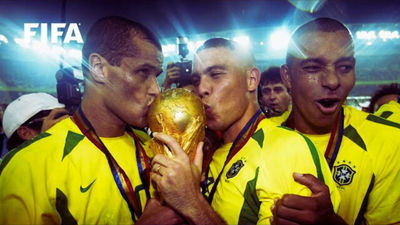
On June 30, 2002, in Yokohama, Brazil and Germany met for a final that juxtaposed individual creativity and structural discipline. Oliver Kahn had produced a goalkeeping tournament for the ages, but a rare handling error from Kahn on Rivaldo’s shot allowed Ronaldo to tap home the opener in the 67th minute. Ronaldo sealed the victory with a clinical second after a Kleberson cross and Rivaldo’s dummy created the space. Brazil won 2–0 and completed a perfect seven-from-seven run — the first nation to win every match in a 32-team World Cup.
Defining moments
Senegal 1–0 France (Seoul): Papa Bouba Diop’s opener announced Africa’s arrival and France’s downfall.
Ahn Jung-hwan’s golden goal (South Korea 2–1 Italy): A moment of national euphoria and intense controversy.
Ronaldinho’s 40-yard free-kick (Brazil 2–1 England): A strike that defied convention and stunned a packed stadium.
Hakan Şükür’s 10.8-second goal (Turkey vs South Korea): The fastest goal in World Cup history.
Ronaldo’s brace in the final: The definitive narrative of personal and national redemption.
Best players
Ronaldo (Brazil) — Golden Boot. Eight goals and a World Cup return from career-threatening injuries. His movement, finishing and positional intelligence defined Brazil’s attack.
Oliver Kahn (Germany) — Golden Ball and Golden Glove. A commanding, heroic tournament from the goalkeeper who single-handedly elevated Germany’s chances.
Rivaldo (Brazil) — a creative fulcrum whose link-play and goals were vital to Brazil’s balanced attack.
Tactical themes
The 2002 World Cup functioned as a tactical bridge between eras. Scolari’s 3-5-2 (or functional 3-4-1-2) provided structural balance: three central defenders allowed full-backs (Cafu, Roberto Carlos) to function as genuine wide attackers while providing cover for Brazil’s creative men. The tournament also highlighted the potency of quick transitional play and wing-back overloads; several underdog teams exploited compact setups and high-tempo counters to unsettle established powers.
Records and statistics
Total goals: 161
Average goals per match: 2.52
Golden Boot: Ronaldo — 8 goals
Oliver Kahn conceded just three goals and kept five clean sheets.
Brazil won all seven matches in open play — a perfect record in the 32-team era.
Legacy
The 2002 World Cup reshaped global football in multiple ways. Brazil’s fifth title cemented their mythic status and validated Scolari’s pragmatic, collective approach over pure aesthetic ideals. The tournament propelled Asian football’s profile: South Korea and Japan’s performances delivered infrastructure growth, boosted domestic leagues and accelerated the integration of Asian players into European football pipelines. Geopolitically charged refereeing controversies also forced FIFA into introspection, speeding debates on officiating standards and transparency.
Most enduring, however, is Ronaldo’s story: from public collapse and devastating knee surgeries to the sport’s summit — his tournament is one of the great sporting comebacks, a human tale that matched Brazil’s historic achievement.
South Korea and Japan 2002 remains one of football’s most unpredictable and emotionally resonant tournaments. It was riotous, controversial and sublime in turns — where underdogs could truly advance and where legends could be remade. Four decades on, the image of Ronaldo collapsing to his knees in Tokyo remains a lasting emblem of resilience and the global reach of football.
Also Read |